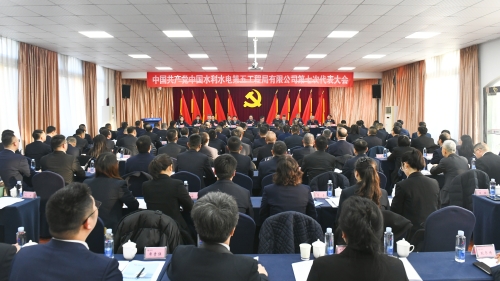
公司第七次党代会胜利召开
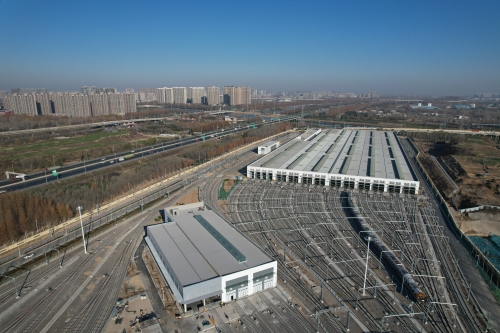
郑州轨道交通8号线一期开通,圃田车辆段正式投...
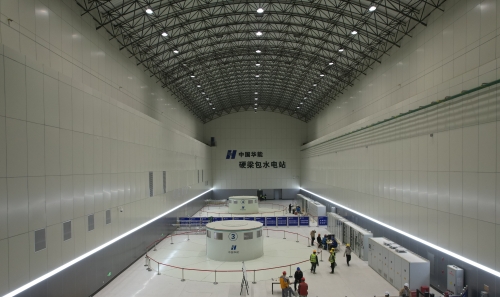
硬梁包水电站首台机组成功投产发电
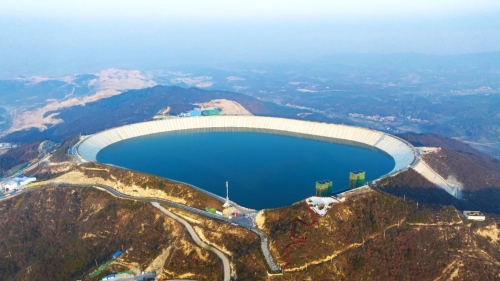
五岳抽水蓄能电站首台机组投产发电
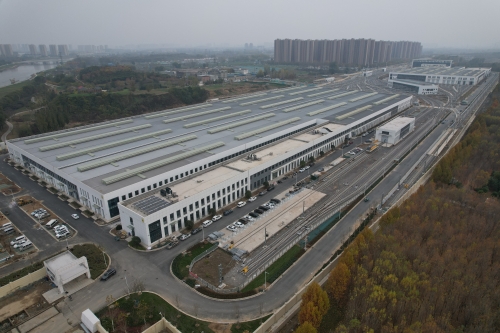
郑州轨道交通8号线项目圃田车辆段通过竣工验收


更多>> 集团要闻 更多>> 公司要闻
- 2024-12-25丁焰章与三峡大学党委书记何伟军、...
- 2024-12-25姚焕到党建联系点宣讲党的二十届三...
- 2024-12-20丁焰章王斌与中国南水北调集团汪安...
- 2024-12-24徐鹏程与秦皇岛市委书记王曦会谈
- 2024-12-26【杰出工程师】王仁坤:赤诚献山河...
- 2024-12-24公司案例获评2024年度公共关系...
更多>> 公司新闻 更多>> 基层动态 更多>> 国际项目 更多>> 重点报道 更多>> 党群工作 更多>> 媒体聚焦 更多>> 社会责任
- 2024-12-30林静峰出席环北部湾广西水资源配置工程...
- 2024-12-30公司两项科技项目获中国施工企业管理协...
- 2024-12-29刘伟才调研云阳抽蓄项目工作
- 2024-12-29刘庆东调研巴拉水电站项目工作
- 2024-12-27市域(郊)铁路成眉线工程成都段土建1...
- 2024-12-27公司举办2024年度党员、入党积极分...
- 2024-12-25公司召开2022-2023年度“创新...
- 2024-12-24公司3项QC成果获评四川省工程建设系...
- 2024-12-24银江水电站顺利下闸蓄水
- 2024-12-23公司一项成果获四川省职工"五小"活动...
- 2024-12-23李法海指导广元公司自动化钢筋台车研发...
- 2024-12-20《一种水利水电工程施工支撑装置》获国...
- 2024-12-31成都市久隆水库工程主坝填筑量超40万...
- 2024-12-31景宁畲族自治县金村水库及供水工程顺利...
- 2024-12-31黄龙抽水蓄能电站项目通过安全生产标准...
- 2024-12-31浙江永嘉抽水蓄能电站上水库1号引水调...
- 2024-12-31雄商高铁站前八标项目获业主考核绿牌
- 2024-12-31江西赣县抽蓄电站通风兼安全洞顺利进洞
- 2024-12-30上海新塘港西段河道整治工程(淀山湖-...
- 2024-12-30浠水宝塔大桥项目沥青面层摊铺完成
- 2024-12-30向家坝灌区北总干渠一期一步内江供水管...
- 2024-12-30雄商高铁站前八标项目跨红旗渠连续梁浇...
- 2024-12-30东升项目再获季度考评“质量”“安全”...
- 2024-12-30雄商高铁站前八标项目跨解放路连续梁浇...
- 2024-12-31沙特国王港项目B205移动钢结构厂房...
- 2024-12-30“昂首乙巳,铸就新程” 中塞朋友迎新...
- 2024-12-30塞尔维亚乌日策绕城公路项目举办“温暖...
- 2024-12-30中国驻塞尔维亚大使馆经商处参赞鲍顺青...
- 2024-12-25沙特国王港项目泵房移动桥机载荷试验完...
- 2024-12-04沙特国王港项目首个B型预制浮码头成功...
- 2024-12-04科特迪瓦波波里项目部举办迷你马拉松活...
- 2024-11-22沙特国王港项目CMT1浮吊船顺利到港
- 2024-11-19致敬有你 感恩同行——沙特国王港项目...
- 2024-11-12沙特国王港项目举行A系列建筑群顺利移...
- 2024-11-07布基纳法索东山机场项目部开展传染性疾...
- 2024-10-17塞尔维亚乌日策绕城公路项目部开展车辆...
- 2024-12-30匠心筑梦戈壁间
- 2024-12-30城轨绿色升级,铁军赋能强基
- 2024-12-29压缩空气引“爆”新质生产力
- 2024-12-27“三融三促”点亮生产经营 “领航灯”
- 2024-12-27以轨为笔,写意双城
- 2024-12-27乘“风”逐“绿”,“碳”索未来
- 2024-12-27筑梦唐诗路,挥豪山水间
- 2024-12-27四季铸绿歌
- 2024-12-26“平凡”铸就非凡
- 2024-12-26“管”通太和新程,“安”就年度峥嵘
- 2024-12-26风正好扬帆 笃行谱新篇
- 2024-12-26铸斜井“铠甲”,护抽蓄“动脉”
- 2024-12-31【人民网】中企在塞尔维亚举办“温暖童...
- 2024-12-30【人民网】郑州市轨道交通6、7、8号...
- 2024-12-30【新华网】郑州市轨道交通6、7、8号...
- 2024-12-30【中新网】成眉线工程全面进入盾构施工...
- 2024-12-26【湖北日报】鄂西北寒夜中的坚守与温暖...
- 2024-12-24【红星新闻】银江水电站蓄水至高程99...
- 2024-12-23【四川日报】金沙江水首次流进自贡内江...
- 2024-12-23【人民网】向家坝灌区北总干渠一期一步...
- 2024-12-12【重庆日报】6号线东站段、15号线、...
- 2024-12-12【央广网】6号线东站段、15号线、1...
- 2024-12-12【新华网】6号线东站段、15号线、1...
- 2024-12-03【极目新闻】鱼儿如何“翻越”大坝回家...
- 2024-12-27中电建江津至习水高速运营管理部寒冬帮...
- 2024-12-27中电建渝蓉高速运营管理部成功追回路产...
- 2024-12-23中电建江津至习水高速运营管理部紧急救...
- 2024-12-23外籍游客迷路,中电建建(个)元高速运...
- 2024-12-23中电建建(个)元高速运营管理部及时救...
- 2024-12-23中电建渝蓉高速运营管理部成功挽回路产...
- 2024-12-23济南大明湖项目获赞:雨污分流惠民生,...
- 2024-12-16运营重庆区域公司优质服务获杜市镇人民...
- 2024-12-16水电五局员工爱心救助国家二级保护动物...
- 2024-12-13杨房沟道路养护及水工综合服务项目助力...
- 2024-12-06百岛湖水库工程项目开展帮扶活动,共促...
- 2024-12-02环北部湾广东项目推动广东省“百千万工...
更多>>企业公告
- 2024-12-30深圳市东江水源工程管理处表扬信
- 2024-12-30重庆赛迪工程咨询有限公司表扬信
- 2024-12-30四川华能泸定水电有限公司感谢信